
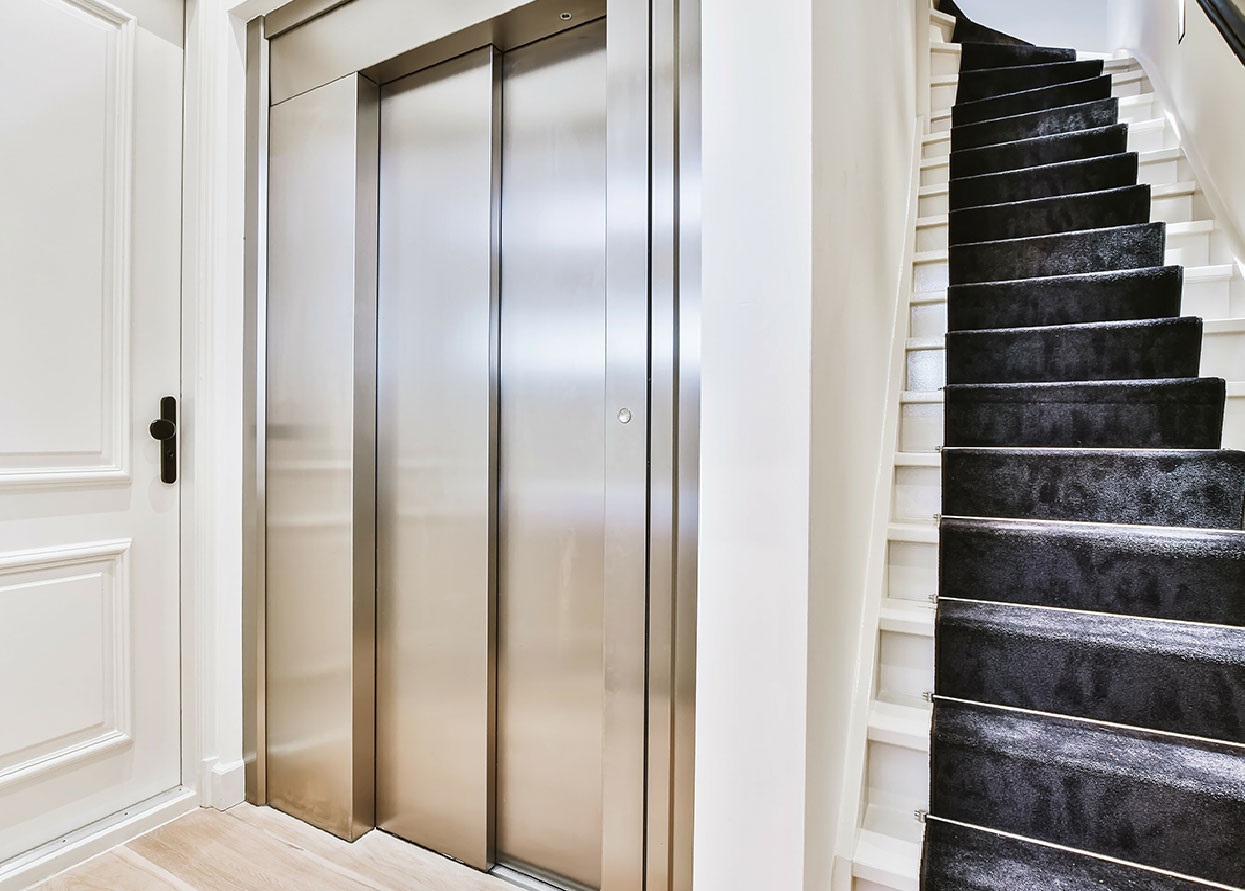
Planning Ahead: Adding a Home Elevator During New Construction
February 19, 2026
If you’re building a new home, now’s the time to think about how it will serve you not just today, but twenty years from now. For many homeowners across the Carolinas — from Charleston to Myrtle Beach to Hilton Head — that means planning for ease of access and convenience early on.
One of the smartest ways to do that is by designing space for a home elevator during construction. You don’t have to install it right away, but planning ahead can save a lot of time, hassle, and money later.
Why Timing Matters
Most people don’t start thinking about an elevator until they actually need one. By then, the house is finished, and retrofitting becomes tricky. Walls may need to be opened up, framing reworked, or plumbing moved, all of which drive up costs.
If you include the elevator in your original plans, your builder and electrician can prepare everything while the home is still in progress. The wiring, framing, and floor openings can be done as part of the standard construction process. It’s cleaner, faster, and a lot less expensive than trying to add it years later.
Designing with Space in Mind
A home elevator doesn’t take up much room, about the size of a small closet, but figuring out where to put it is key. During new construction, your architect can easily incorporate an elevator shaft into the layout so it fits naturally with the home's flow.
Some homeowners choose to “stack” closets on each level so the space is prepared when they decide to install the elevator. Others go ahead and build the shaft but leave it closed off until they’re ready to use it.
This simple bit of planning keeps your options open and your home looking intentional, not patched together.
Plan for the Home You'll Want in 20 Years
The home you're building now might need to work a little differently in ten or twenty years. Stairs that feel fine today have a way of becoming a bigger deal over time: after a surgery, as you get older, or when a parent comes to stay.
Framing out the elevator shaft now costs a fraction of what it would take to add one to a finished home. In the meantime, that space can hold anything: seasonal storage, a small closet, whatever you need. When the time comes, the elevator goes in without tearing anything apart.
A Feature That Holds Its Value
In coastal markets like Hilton Head and the Lowcountry, an elevator can genuinely move the needle when it comes to resale. Buyers in these areas are often weighing long-term livability, and an elevator, especially one that's thoughtfully built in, not bolted on, tends to stand out.
It's the kind of detail that makes a home feel complete.
Everyone on the Same Page
Building a home elevator into new construction only works when the right people are talking to each other early. That means your builder, architect, and elevator installer need to be coordinating from the start, not catching up after the fact.
We get involved with your project team upfront to nail down the specifics: shaft dimensions, power requirements, pit or machine room needs, and anything the local code requires. Getting those details sorted before walls go up is what keeps a project on schedule and prevents the kind of last-minute surprises that cost time and money.
Builders like having clear, early specs to work from. And homeowners end up with an elevator that actually fits the house, not one that was squeezed in as an afterthought.
Choosing the Right Type
Not every elevator system is the same, and what works best depends on your layout and preferences. Some homeowners prefer a hydraulic system for its quiet ride and strength, while others like traction-style elevators that save space and energy. For modern or compact homes, pneumatic (vacuum) elevators are a sleek, no-machine-room option.
When the experts at Alchemy Elevator are involved during the design stage, we can help determine which system makes the most sense for your home, both in function and in aesthetics.
The Takeaway
Adding a home elevator while you’re still building gives you flexibility, saves money, and helps your home grow with you. It’s one of those upgrades that quietly adds comfort, safety, and long-term value.
The earlier it’s planned, the easier the entire process becomes — and once it’s installed, you’ll wonder how you could ever live without it.
At Alchemy Elevator, we’ve been helping homeowners, builders, and architects across North and South Carolina design and install custom residential elevators, dumbwaiters, and stair lifts that fit their space and lifestyle. If you’re getting ready to break ground on a new home in Charleston, Myrtle Beach, or Hilton Head, our team can help you plan the details now so your home is set for whatever the future brings.
Get in touch with Alchemy Elevator today to talk about options for integrating an elevator into your new build. We’ll walk you through the design, coordinate with your builder, and make sure your home is built for comfort from day one.