
Kiawah Island Luxury Living: Why More High-End Coastal Homes Are Adding Elevators
April 7, 2026
Life on Kiawah Island has a certain rhythm to it. Mornings on the porch. Afternoons on the course or the beach. Evenings with family gathered around a long dining table. The homes here are designed to match that lifestyle: open, airy, and often built to capture every possible view.
With raised foundations, garage levels below, and two or three full stories above, stairs are simply part of coastal architecture. But more homeowners are deciding they don’t want stairs to define how they use their home. That’s one of the biggest reasons residential elevators are becoming a common feature in Kiawah’s high-end builds.
And in many cases, they’re not being added as an afterthought. They’re part of the original plan.
Coastal Architecture Naturally Builds Up
Flood zone requirements and view-driven design mean many Kiawah homes are elevated well above grade. It’s common to enter on one level, live on another, and sleep on yet another. Add in rooftop decks or bonus spaces, and you can easily have three or more flights of stairs in your daily routine.
At first, it may not seem like a big deal. But over time, hauling groceries, luggage, beach chairs, or even laundry between floors gets old.
An elevator changes how the house functions. Instead of thinking twice about what’s upstairs or downstairs, everything feels equally accessible. It makes a large coastal home feel easier to live in, especially full-time.
Planning for the Long Term
Most people building on Kiawah Island aren’t thinking about the next five years. They’re building a home they hope to enjoy for a long time, sometimes for decades.
Because of that, conversations about accessibility tend to come up sooner or later. It’s usually not because someone needs it right now. It’s simply part of planning ahead. Including an elevator makes it easier to move between floors over the years and helps ensure the home remains comfortable to live in as circumstances change.
What’s different today is how elevators fit into the design of the house itself. In the past, they were mostly viewed as a purely practical feature. Now they’re often designed to feel like a natural part of the home.dd
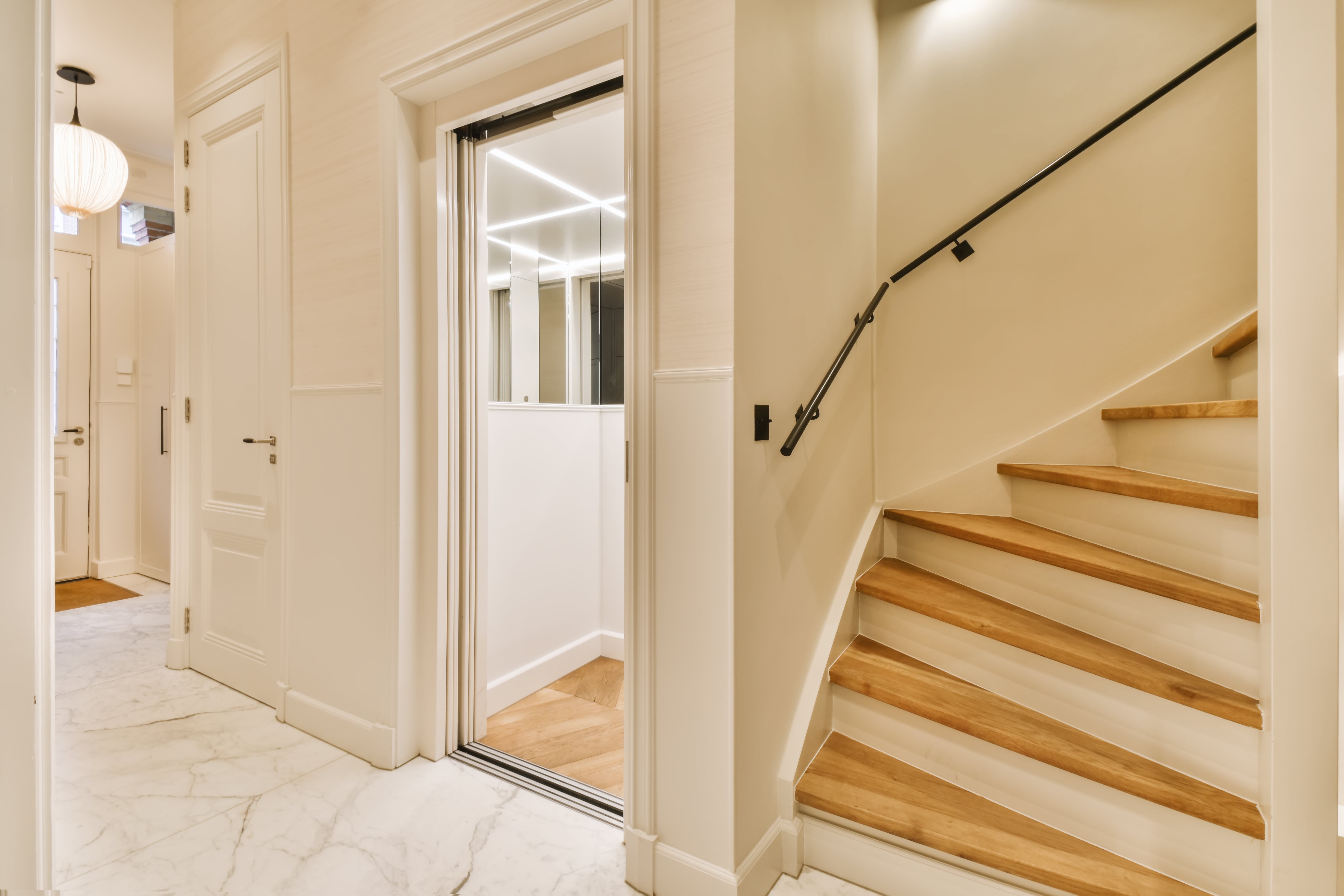
Many modern residential elevators are surprisingly refined. Clean lines, quiet operation, and options like glass panels or custom interiors allow them to blend into the surrounding architecture rather than stand out.
Companies such as Savaria, RAM Elevators, and Fox Valley Elevator offer systems specifically built for residential use, including homes along the coast. When the right system is chosen and installed correctly, the elevator becomes just another thoughtful element of the home’s overall design.
Building for longevity means early coordination with experts who understand coastal needs, such as Alchemy Elevator, to ensure the shaft placement and finish selections align with Lowcountry conditions.
A Better Experience for Family and Guests
Kiawah homes are often gathering spots. Holiday weekends, golf trips, summer visits from grandchildren: these houses are meant to be shared. An elevator makes hosting easier.
Older relatives can move between floors comfortably. Guests don’t have to wrestle suitcases up staircases. Parents carrying sleeping kids upstairs at the end of the day have a simpler option. It’s one of those features that people may not expect, but once they experience it, they immediately appreciate it.
In luxury homes, comfort is part of the appeal. An elevator quietly adds to that experience.
Smart Investment in a Competitive Market
Homes on Kiawah Island aren’t entry-level properties. People building or buying here tend to pay close attention to details, and they’re usually thinking long term. It’s not just about how the house looks today. It’s about how well it will function 10 or 20 years down the road.
That’s part of the reason elevators are showing up in more floor plans. For retirees, it offers peace of mind. For second-home owners, it makes hosting easier. For families with multiple generations under one roof, it simply makes the house more usable. It shows that the home wasn’t designed just for the present moment, but for the years ahead.
There’s also a practical side to it. Incorporating an elevator during construction is far simpler than trying to carve one into an existing structure later. When the space is accounted for from the beginning, structurally and electrically, the process is smoother and typically less expensive.
Not everyone installs the lift right away. Some homeowners just frame the space and wire accordingly so the option is there when they’re ready. This keeps choices open and avoids costly changes later.
Built With Coastal Conditions in Mind
Salt air and humidity are part of everyday life on Kiawah Island. Any mechanical system installed in a coastal home should account for those conditions, and elevators are no exception.
Proper installation includes selecting corrosion-resistant components, ensuring adequate ventilation, and discussing backup power options in case of outages. Routine maintenance also plays an important role in keeping systems operating smoothly.
Working with an experienced installation team that understands the demands of the Lowcountry environment helps ensure reliability over time.
Elevating the Everyday — The Right Way
Luxury living on Kiawah Island isn’t just about beautiful finishes or expansive floor plans. It’s about building a home that works: today, five years from now, and decades into the future.
A residential elevator supports that vision. It simplifies daily routines, enhances comfort for family and guests, and protects long-term accessibility without compromising design.
But the outcome depends heavily on who installs it.
For builders, architects, and homeowners, early coordination is everything. Shaft placement, structural planning, electrical requirements, and finish selections all need to be handled with precision. Coastal conditions demand additional attention to materials, ventilation, and long-term service planning.
That’s where experience matters.
At Alchemy Elevator, we work directly with homeowners, custom builders, and design teams throughout the Lowcountry to ensure elevators are integrated seamlessly, not added awkwardly. From selecting the right system to guiding layout decisions and handling installation with efficiency and care, our goal is simple: make the process smooth and deliver a system that performs reliably for years to come.
Because in a home built for generations, accessibility shouldn’t be an afterthought. It should be part of the blueprint. Our team is ready to help you plan it the right way.