
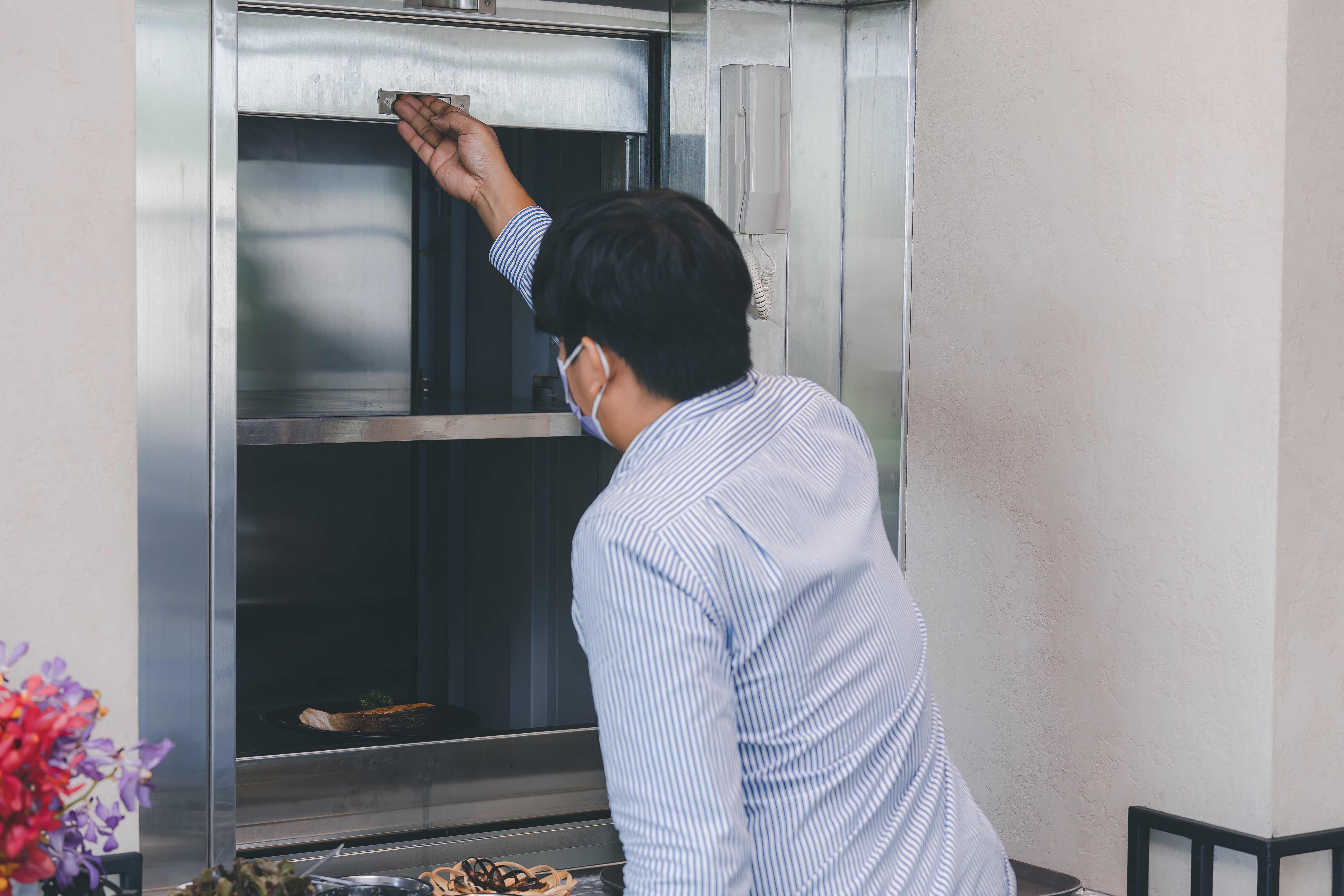
Building a Luxury Coastal Home? Why You Should Consider a Dumbwaiter Alongside Your Elevator
July 23, 2026
When you're planning a luxury coastal home, the big decisions tend to dominate early conversations — open floor plans, outdoor living spaces, high-end finishes, and residential elevators. These are the features that define how a home feels and functions day to day. But there's one addition that tends to fly under the radar during the design phase, and homeowners who skip it often wish they hadn't.
An elevator moves people. A dumbwaiter moves everything else — groceries, laundry, beach gear, entertaining supplies. In a multi-story coastal home, that distinction matters more than most people realize until they're actually living in the house.
For homeowners building along the South Carolina and North Carolina coast — Charleston, Hilton Head, Myrtle Beach, Kiawah Island, Wilmington, and the surrounding communities — a dumbwaiter is one of the smartest complements to a residential elevator you can add.
Why Coastal Homes Are a Natural Fit
Homes on the coast are almost always built up rather than out. Between flood zone setbacks, elevated foundation requirements, and the natural pull toward water views, it's common to end up with three or more stories. That means a lot of vertical distance between the garage and the kitchen, or the kitchen and the rooftop terrace.
A residential elevator handles people beautifully, but it wasn't designed to shuttle grocery bags or laundry baskets. That's where a dumbwaiter earns its place.
Picture a typical day. You've just returned from a grocery run. There are beach chairs and wet towels to bring in. You're getting ready to host guests and need to move drinks and serving trays to a different level. With a dumbwaiter, none of that requires hauling loads up a flight of stairs or tying up the elevator for every errand.
Built for Entertaining
Coastal homes are made for gathering. Whether it's a weekend with family, a holiday celebration, or a casual summer dinner party, moving food and supplies between floors becomes a constant task when you're hosting.
Appetizers, serving trays, drinks, glassware, ice buckets: a dumbwaiter handles all of it without a second thought. Instead of hauling trays up two flights of stairs, you prep on one level and send everything up to the dining area or rooftop. It just becomes part of how the evening flows.
It's one of those features that homeowners rarely think to ask for, but once it's part of their home, they can't imagine going without it.
Groceries Without the Grind
Grocery day is where a dumbwaiter earns its keep most visibly. In many luxury coastal homes, the kitchen is several floors up — positioned there to capture views. Carrying a full load of groceries up that distance, trip after trip, gets old fast.
Load the bags into the dumbwaiter, send them up, and meet them in the kitchen. It's a small change that makes a real difference in day-to-day life, and it becomes even more valuable over time as physical demands shift with age.
Laundry Across Multiple Levels
In larger coastal homes, laundry rooms are often on a different floor than the bedrooms, guest suites, or linen storage. That means baskets, linens, towels, and bedding are traveling up and down stairs on a regular basis.
A dumbwaiter handles all of it without the strain — useful for families, retirees, and anyone managing a vacation property with high turnover between guests.
An Asset for Vacation and Rental Properties
High-end vacation rentals don't run themselves. Supplies, linens, cleaning materials, and guest essentials are constantly moving between floors, and that adds up quickly, especially during a busy season. A dumbwaiter takes a lot of that legwork out of the equation, whether you're managing the property yourself or leaving it to a housekeeping crew.
Guests may not search for a rental with a dumbwaiter, but they notice and appreciate the convenience once they're there. That kind of experience is what drives glowing reviews and repeat bookings.
The Case for Planning It During Construction
Adding a dumbwaiter is significantly more straightforward — and more cost-effective — when it's part of the original build. Contractors can coordinate shaft placement, electrical requirements, and access points before walls are closed and finishes go in.
Retrofitting after construction is possible, but it typically involves additional modifications that add complexity and cost. For homeowners already planning an elevator, it makes sense to discuss both systems at the same time. Designing them together often results in smarter placement and a more efficient layout.
Practical Value That Holds
A dumbwaiter isn't just a convenience. It's a feature that contributes to long-term property value. Buyers looking at luxury coastal homes increasingly appreciate the combination of high-end finishes and thoughtful functionality. A dumbwaiter may not be the first thing on a buyer's checklist, but it often becomes a memorable selling point when they see how well it fits into the home's design.
Two Systems, One Well-Run Home
A residential elevator and a dumbwaiter serve different purposes, but together they make a multi-story home run more smoothly on every level. For luxury coastal homes built for real, everyday living, combining both systems is one of the most practical decisions you can make during the design phase.
At Alchemy Elevator, we work with homeowners, builders, architects, and contractors throughout North Carolina and South Carolina to find the right solutions for each project. If you're planning a custom coastal home, we'd love to help you think through how a residential elevator and dumbwaiter can work together to make your home more functional, more comfortable, and built to last for years of coastal living.