
Wheelchair-Accessible Home Elevators: Design Considerations
February 2, 2026
As more homeowners focus on long-term comfort, independence, and accessibility, wheelchair-accessible home elevators are becoming essential rather than just a luxury. Whether you are building a new home, renovating an existing one, or preparing to age in place, a well-designed residential elevator can significantly improve mobility, safety, and quality of life.
At Alchemy Elevator, we assist homeowners, builders, contractors, and architects in North Carolina and South Carolina in designing and installing home elevators that are functional and stylish.
When considering wheelchair accessibility, careful planning is crucial. Here are the key design considerations to keep in mind.
Cab Size and Weight Capacity
One of the first things to think about is the elevator cab size. A wheelchair-accessible elevator needs enough space for comfortable entry, turning, and exit. Most wheelchair users need a cab that has at least a 36-inch door opening and enough depth for easy entry and exit without awkward movements.
Weight capacity is also important. The elevator must safely support not just the wheelchair and occupant, but also caregivers, family members, or equipment if needed. Many modern residential elevators offer higher weight capacities without compromising smooth operation or quiet performance.
Your Alchemy Elevator installation consultant will help you determine the ideal cab dimensions and weight capacity based on your needs and home layout.
Door Configuration and Placement
Door design is vital for accessibility. Automatic or power-assisted doors are often preferred because they ease the effort needed to enter and exit the elevator. Wider door openings simplify navigation, especially for motorized wheelchairs.
Door placement is also important. Straight-through or pass-through configurations, where doors open on opposite sides, work well in tight spaces. These allow users to enter on one side and exit straight ahead without turning.
Proper landing alignment at each floor ensures smooth, level transitions and reduces tripping or rolling hazards.
Controls and Operating Height
Elevator controls should be set at an accessible height and designed for ease of use. Large, clearly labeled buttons with tactile or illuminated features are ideal for users with limited dexterity or visual impairments.
Many wheelchair-accessible home elevators can have hands-free or soft-touch controls, as well as emergency communication systems that are easy to reach from a seated position. These features not only improve usability but also provide reassurance.
Ride Comfort and Safety Features
Safety is central to every elevator installation, especially when accessibility is involved. A smooth start and stop reduces jarring movements that may be uncomfortable or unsafe for wheelchair users. Non-slip flooring inside the cab helps prevent movement during operation.
Other key safety features include emergency backup power, alarm systems, interlocks, and obstruction sensors that prevent doors from closing if something is in the way. Regular maintenance is important to ensure all safety systems operate properly over time.
At Alchemy Elevator, we prioritize safety at every stage, from design and installation to ongoing service and maintenance.
Shaft, Pit, and Structural Planning
In new construction, planning for a wheelchair-accessible elevator early in the design process offers the most flexibility. Architects and builders can allocate the right space for the shaft, pit, and overhead clearance, ensuring optimal performance and appearance.
For existing homes, retrofitting an elevator is often possible with creative solutions and careful planning. Compact elevator models and adaptable configurations allow for accessibility improvements without major structural changes.
Our team collaborates closely with homeowners and contractors to assess each situation and propose the best solutions.
Style Without Compromise
Accessibility does not mean you have to sacrifice style. Today’s home elevators come in various finishes, materials, and cab designs that fit both modern and traditional interiors.
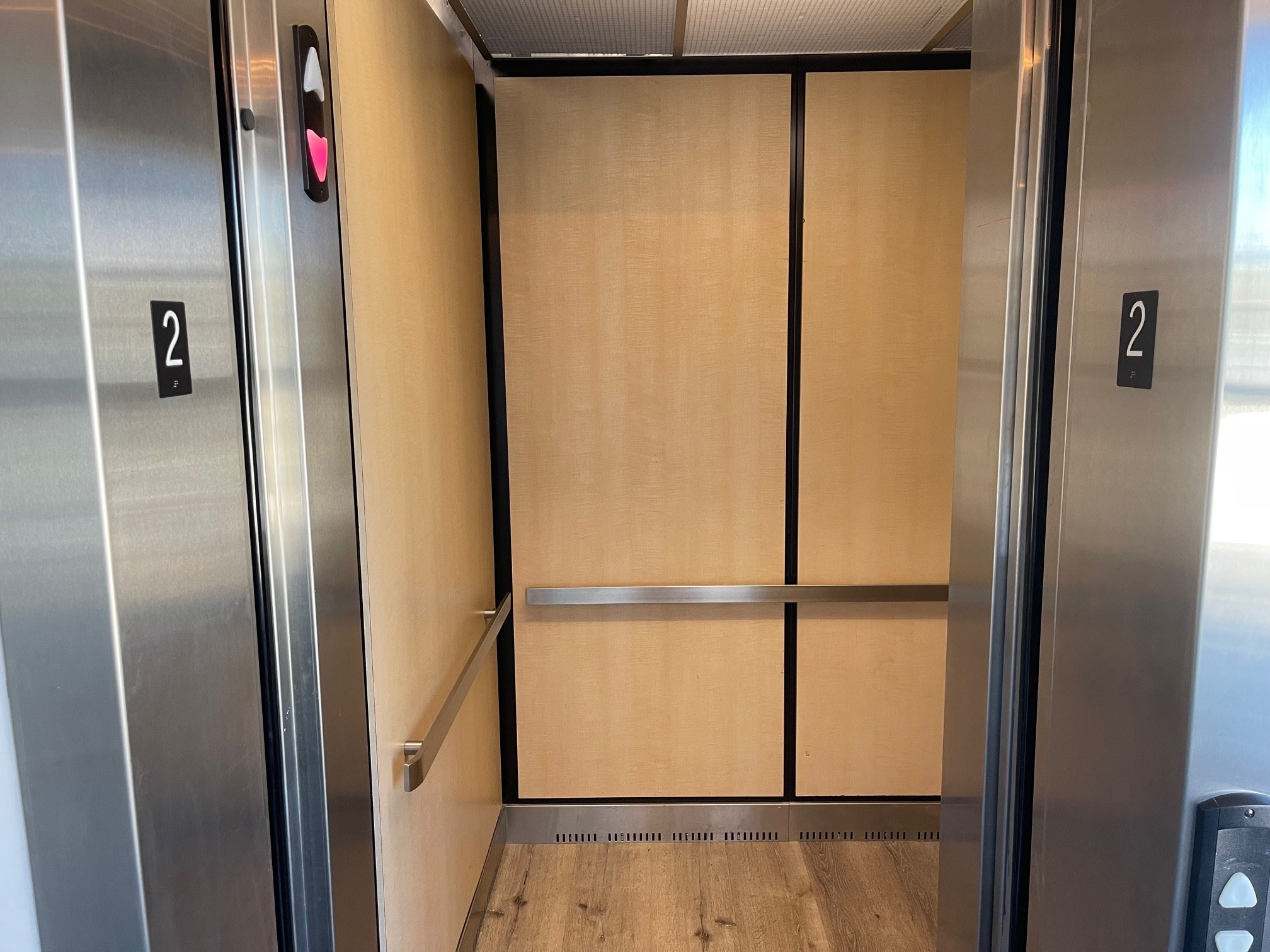
From sleek, contemporary panels to warm wood finishes, wheelchair-accessible elevators can blend seamlessly into your home while meeting all functional needs.
Long-Term Reliability and Maintenance
A wheelchair-accessible home elevator is a long-term investment, so reliability and service support are essential. Choosing high-quality equipment from trusted manufacturers, like Savaria, helps ensure dependable performance for years.
It is also important to select an elevator company that offers quick response times, experienced technicians, and a strong commitment to customer service. Regular maintenance keeps your elevator running safely and efficiently, minimizing downtime and extending its lifespan.
Partner With Experts You Can Trust
Designing a wheelchair-accessible home elevator requires knowledge, attention to detail, and a good understanding of mobility needs and residential construction. At Alchemy Elevator, we aim to provide top-quality home elevators at a fair price, backed by the best warranty and delivery times in the industry.
We take pride in offering fast, high-quality installations while guiding our customers through each step from choosing the right elevator to ensuring long-term safety and performance.
If you are considering a wheelchair-accessible home elevator for a new build or an existing home, contact Alchemy Elevator today to find out how we can help you create a safer, more accessible living space without compromise.